
In twenty years, China has changed scale. The world’s second-largest economy and its largest exporter of goods, it is no longer the low-cost workshop of the 2000s: it is now an industrial and technological power, and one of the most contested domestic markets in the world. For a European company the opportunities remain considerable, but they are won differently.
The factory of the world, more than ever
China accounts for nearly a third of global manufacturing output. Its supply chains have no equivalent: for most products, raw materials, components, subcontractors and logistics are only a few dozen kilometres apart. This is what allows it to produce fast, in volume, and at prices that remain highly competitive.
An industry moving upmarket
Wages have risen sharply and factories have automated: China has become the world’s largest market for industrial robots. It now leads entire industries such as electric vehicles, batteries and solar panels. The right Chinese supplier is therefore no longer chosen on price alone, but on reliability, quality and the ability to meet your specifications.
A more demanding trade environment
Trade tensions between China, the United States and Europe have led to tariffs and trade defence measures on some products. European rules have also tightened: safety standards, traceability and, since 2026, the carbon border adjustment mechanism for steel, aluminium or cement. Many companies are diversifying their sources (“China + 1”) without giving up on China, which remains essential for most products.
A huge and highly competitive domestic market
With 1.4 billion people, China is a market of demanding, connected consumers used to buying online. Local competition is fierce and fast. Selling there successfully requires a good knowledge of local habits, platforms and distribution channels, and support on the ground.
Shanghai, Hong Kong and the major industrial hubs
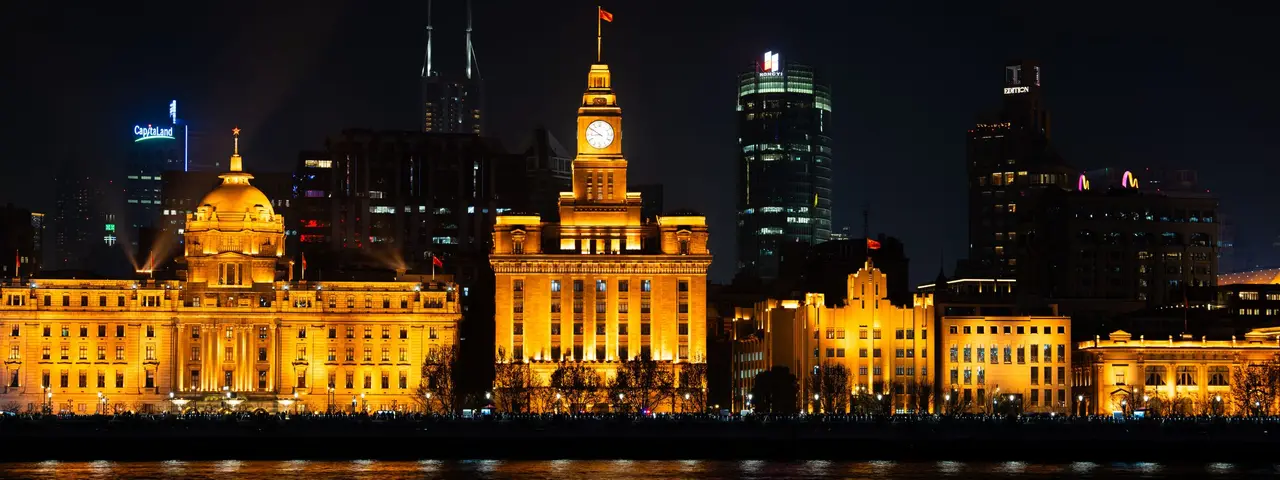
Shanghai, at the heart of the Yangtze River Delta, has the world’s busiest container port and concentrates headquarters, industry and services. The Pearl River Delta, around Shenzhen and Guangzhou, is the leading electronics hub. Hong Kong remains a privileged financial and commercial gateway to mainland China.
What this means for you
Buying in China remains one of the most effective ways to improve your margins, provided you select suppliers on site, check quality before every shipment and verify compliance with European standards. That is exactly AsiaCost’s role: buying in China, quality control and supporting you on the Chinese market.